Singapore · Est. multi-disciplinary
The same mind that plans a room plans a system.
The House Providence designs interiors and runs the renovation. It builds brands and the marketing that carries them. And it engineers the internal systems companies run on, down to the interface. Three outputs. One method.
Consultant and executor. We do not hand you a drawing and wish you luck.
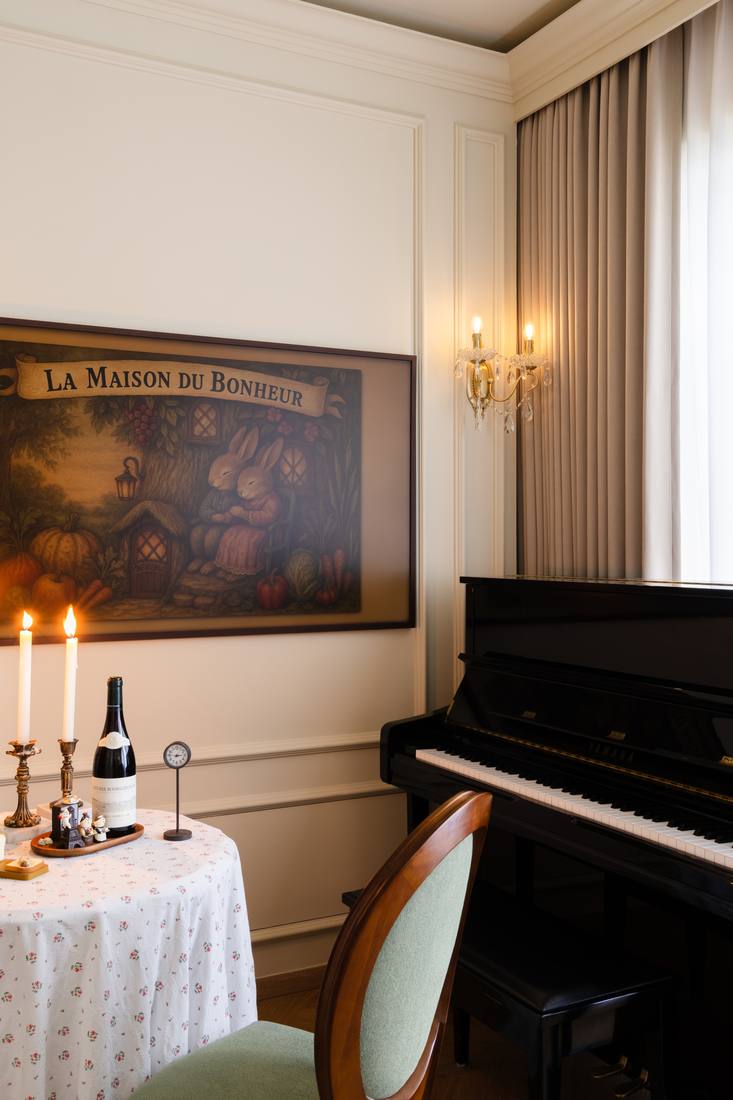
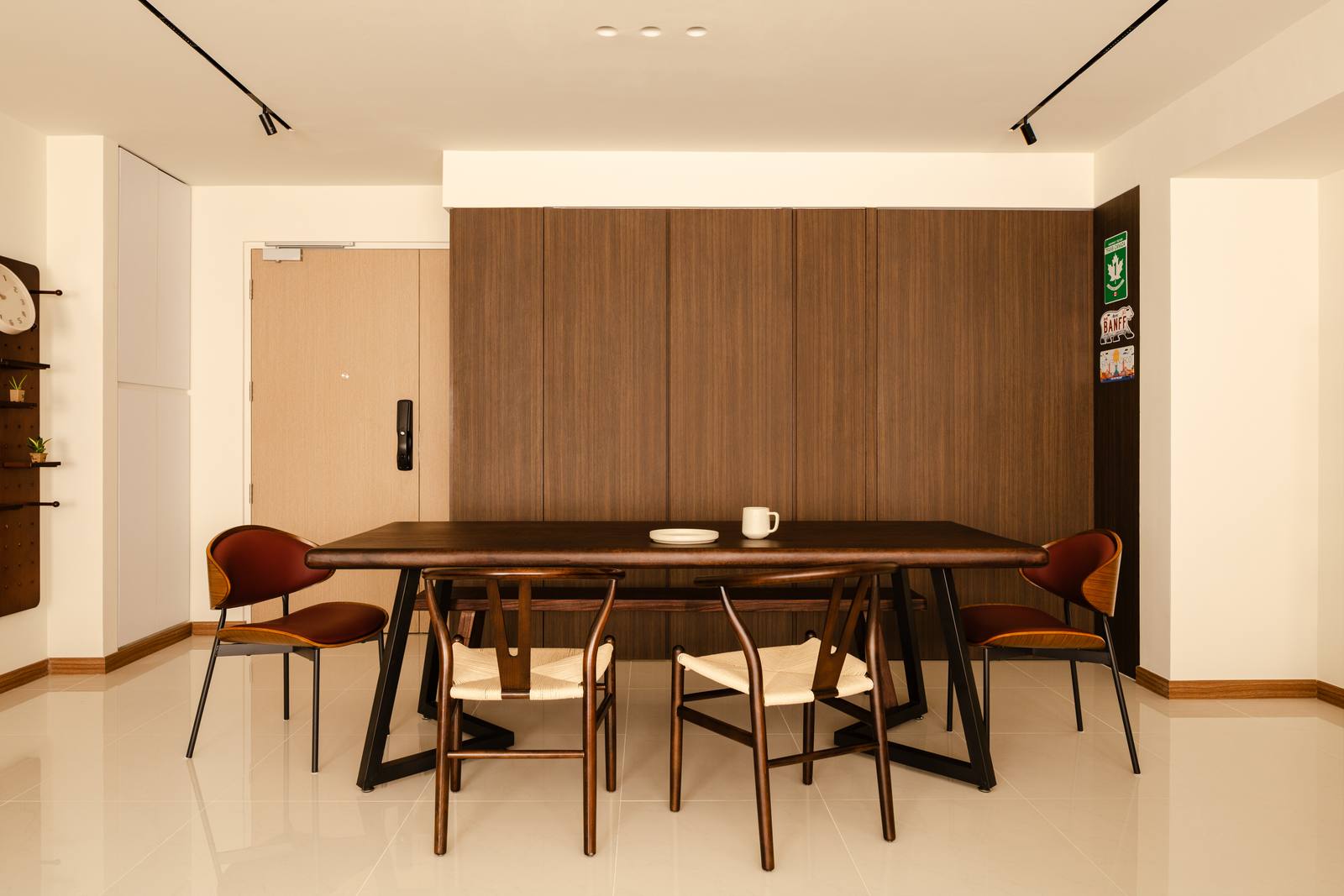
961C Tampines — interior design and renovation, completed 2025. Photography by Eldon Shoots.
Three disciplines
Distinct practices. Deliberately housed together.
Interiors & renovation
Spatial design grounded in phenomenology — how a room is felt before it is understood. Light, threshold, material, shadow. Then we run the renovation ourselves, so the drawing and the built thing are the same thing.
Business consultancy
Positioning, identity and full-stack marketing: the website, the assets, the sponsor and partner targeting, the decks that raise money. Built for founders who need the thinking and the execution from the same place.
Systems & UI/UX
Internal systems for businesses that have outgrown the spreadsheet — contract ledgers, defect registers, claim workflows — plus the public products we build ourselves. Domain rules live in the database. Interfaces are designed, not assembled.
Why one company
An ID firm and a software firm under one roof looks odd. It isn't.
The instinct is that these are different trades — one is dust and site meetings, the other is migrations and design systems. But the work underneath is identical: watch how a person actually moves through a thing, find where they hesitate, and take that away.
Every project here started because a client had a problem that did not respect the boundary. A renovation firm needed a claims ledger. An events company needed a brand and the sponsors to fund it. So the practice grew the limb it needed.
A floor plan is a user flow
Both are a sequence of decisions someone makes without noticing — where the light is, where the hand lands, which door is obviously the next one. Draw either badly and the person feels it as friction long before they can name it.
Materiality is a design system
Choosing travertine against walnut and choosing type against colour are the same discipline: a small palette, held consistently, so that every decision downstream gets easier instead of harder.
A renovation is a delivery pipeline
Trades, dependencies, a critical path, a variation that blows up the budget, and a client who needs to know where the money went. That is software delivery with dust — which is exactly why our systems work began on our own sites.
The premise
We do not come in simply as a designer.
The intention is to be a problem solver. The intention is to foresee. The intention is to plan. Design does not have to make sense to everyone, but it has to make sense to the person using it — and it is not enough to build an impression when you can build one that lasts.
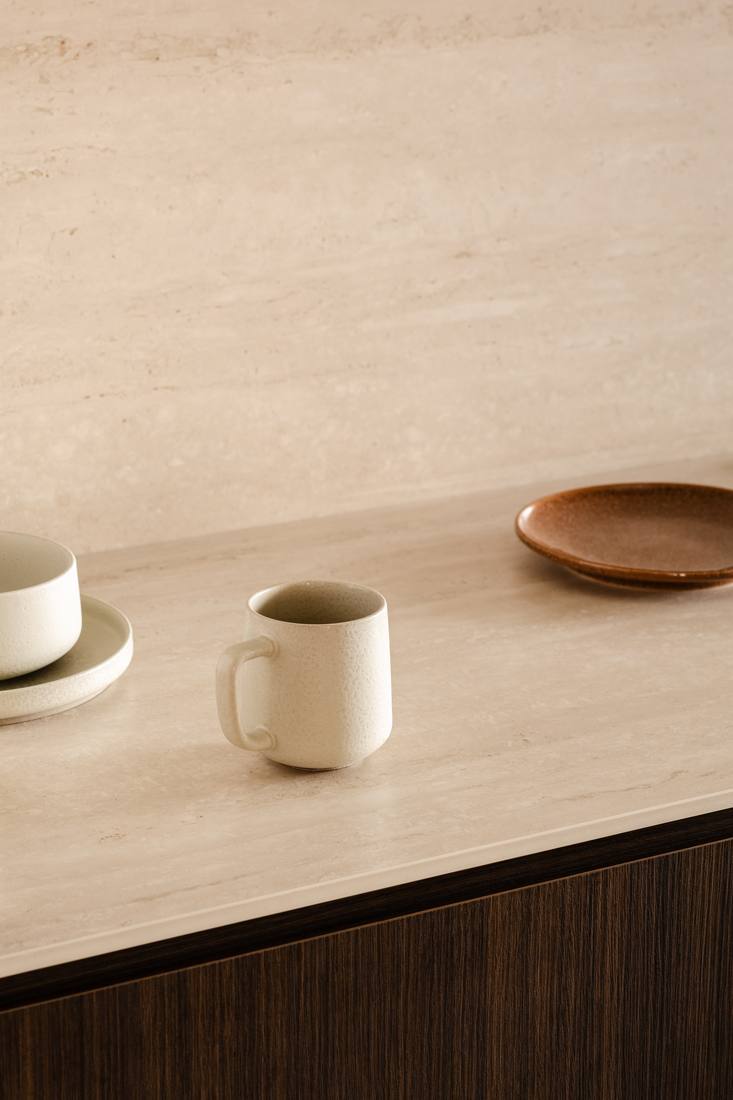
Material
Letting materials speak for themselves — the grain of wood, the cool of stone, the warmth of aged leather. Shown unaltered, as homage to what they already are.
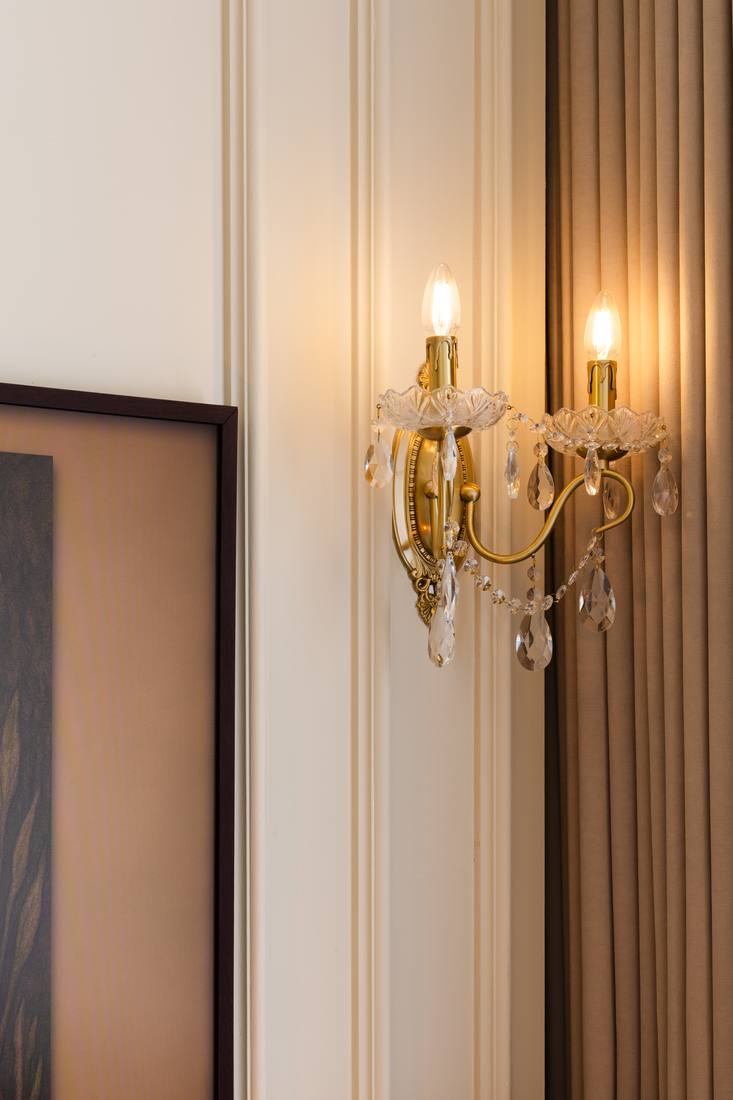
Shadow
Light is the brushstroke that points the mood and accentuates the texture. A room is designed for the hour it is used in, not for the photograph.
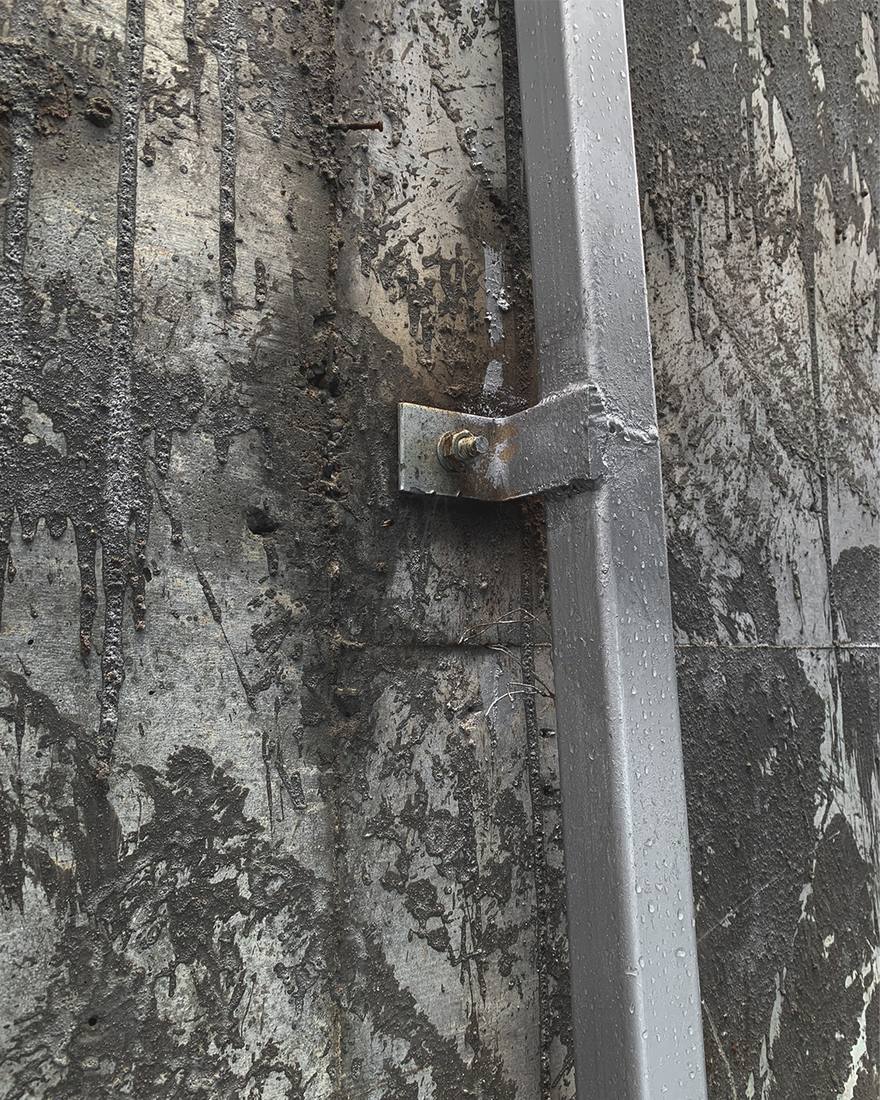
Accidents
As designers we hope for the best. As project managers we prepare for the worst. Every project carries the second job, and the second job is where trust is won.
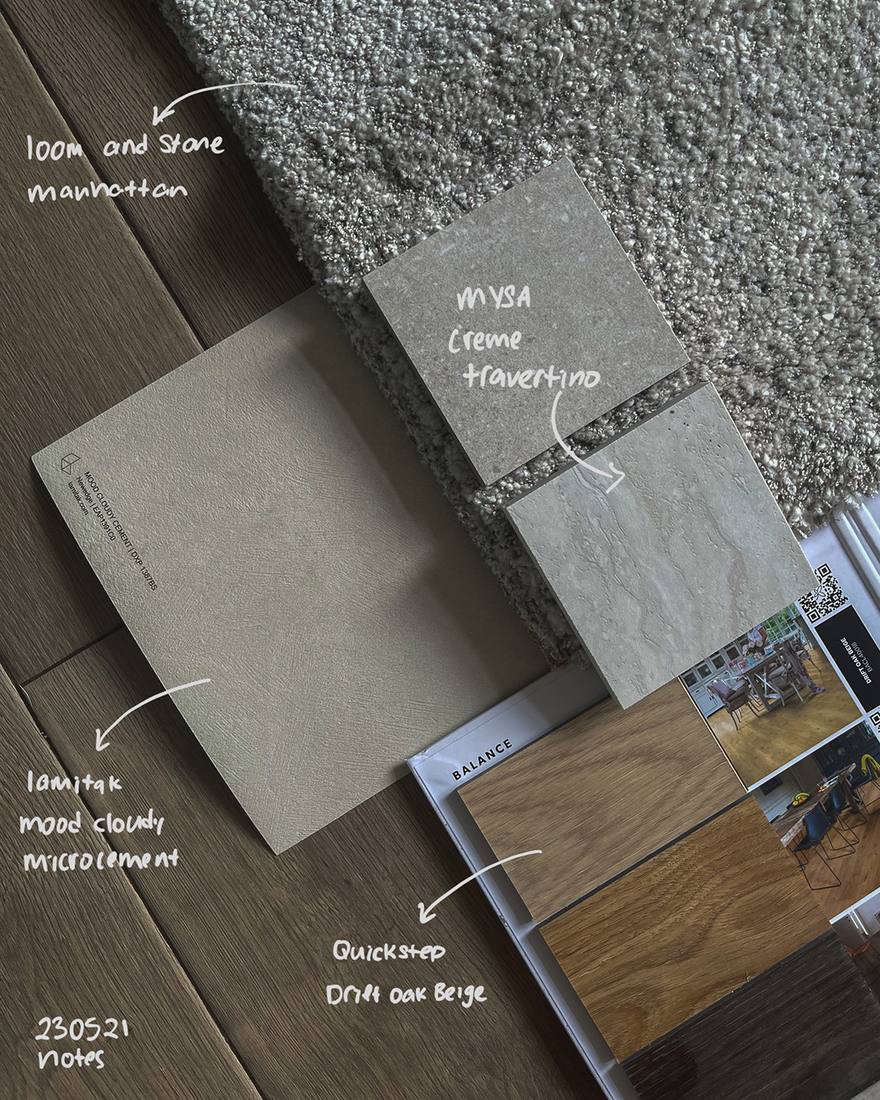
Intention
Stone, microcement, oak, travertine — chosen against each other on a real floor, in real light, before a single line is committed to drawing.
From the practice notebook. More at @thehouseprovidence.
Selected work
Rooms, brands and systems, made by the same practice.
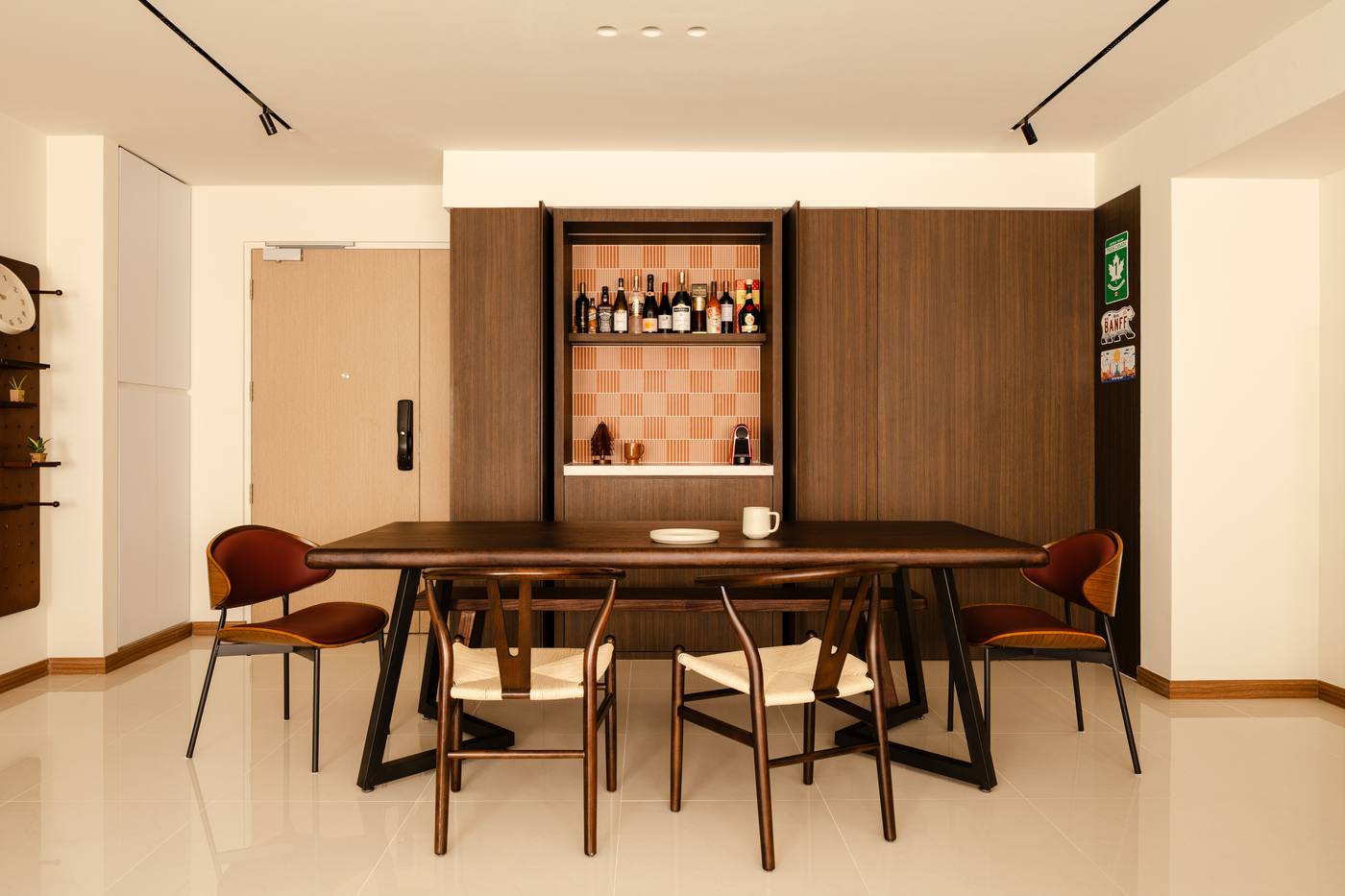
961C Tampines
Full renovation. Walnut, travertine and a terracotta bar niche, planned around how the household actually eats and entertains.
Interiors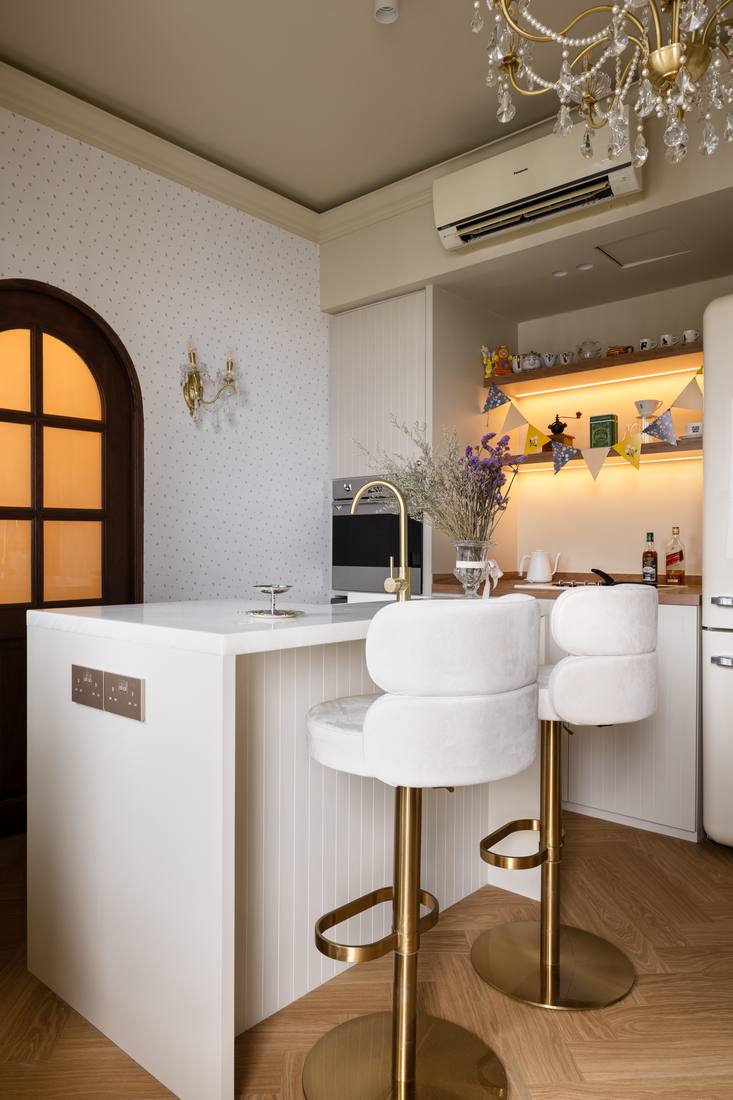
57 Flora Drive
A classical renovation: panelled walls, herringbone parquet, microcement bathrooms and a lighting plan built entirely around candle height.
InteriorsEggyolk Events
Brand, website, sponsor targeting and the asset production behind it — a community events company taken from idea to something sponsors will fund.
Consultancy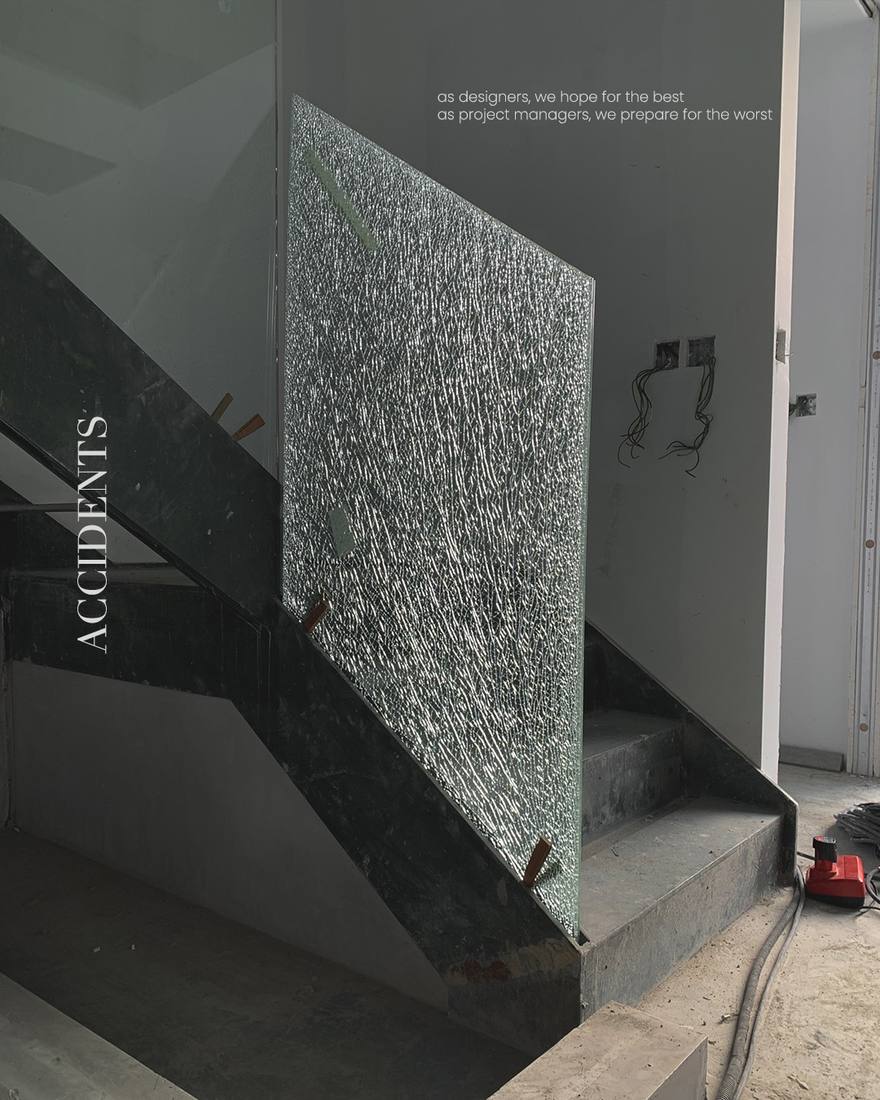
Shower Dynamic & SD Core
Company profile and brand for a 26-year built-environment contractor, then the contract ledger that replaced their reconciliation spreadsheets.
Consultancy SystemsDefectSG
A homeowner-side public record of which renovation firms actually fix the defects they leave behind. Built because we kept watching the same list go unfixed.
Systems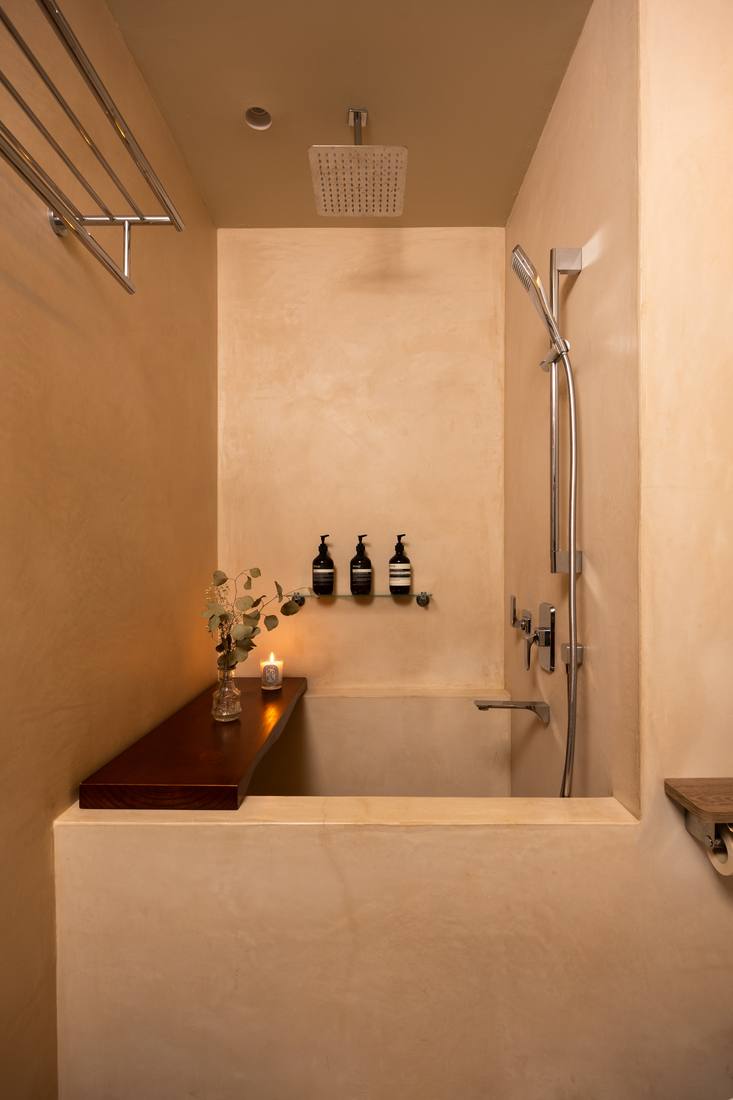
PangsaiGoWhere
A restroom-discovery and public grading platform for Singapore. A fun project with a serious spine — an open, unbuyable standard.
SystemsBring the problem, not the brief.
Most people arrive with one discipline in mind and a problem that spans two. Tell us what is actually going wrong — the flat that does not work, the brand nobody remembers, the spreadsheet holding the company together — and we will tell you honestly which of the three it is, or whether it is us at all.